
Member Spotlight: Dr. Lindsay Dubbs
Current role and organization
Research Associate Professor (UNC and CSI); Associate Director, North Carolina Renewable Ocean Energy Program and the Atlantic Marine Energy Center (CSI) Coastal Studies Institute and UNC Chapel Hill Institute for the Environment
Would you tell us a bit about yourself and your background?
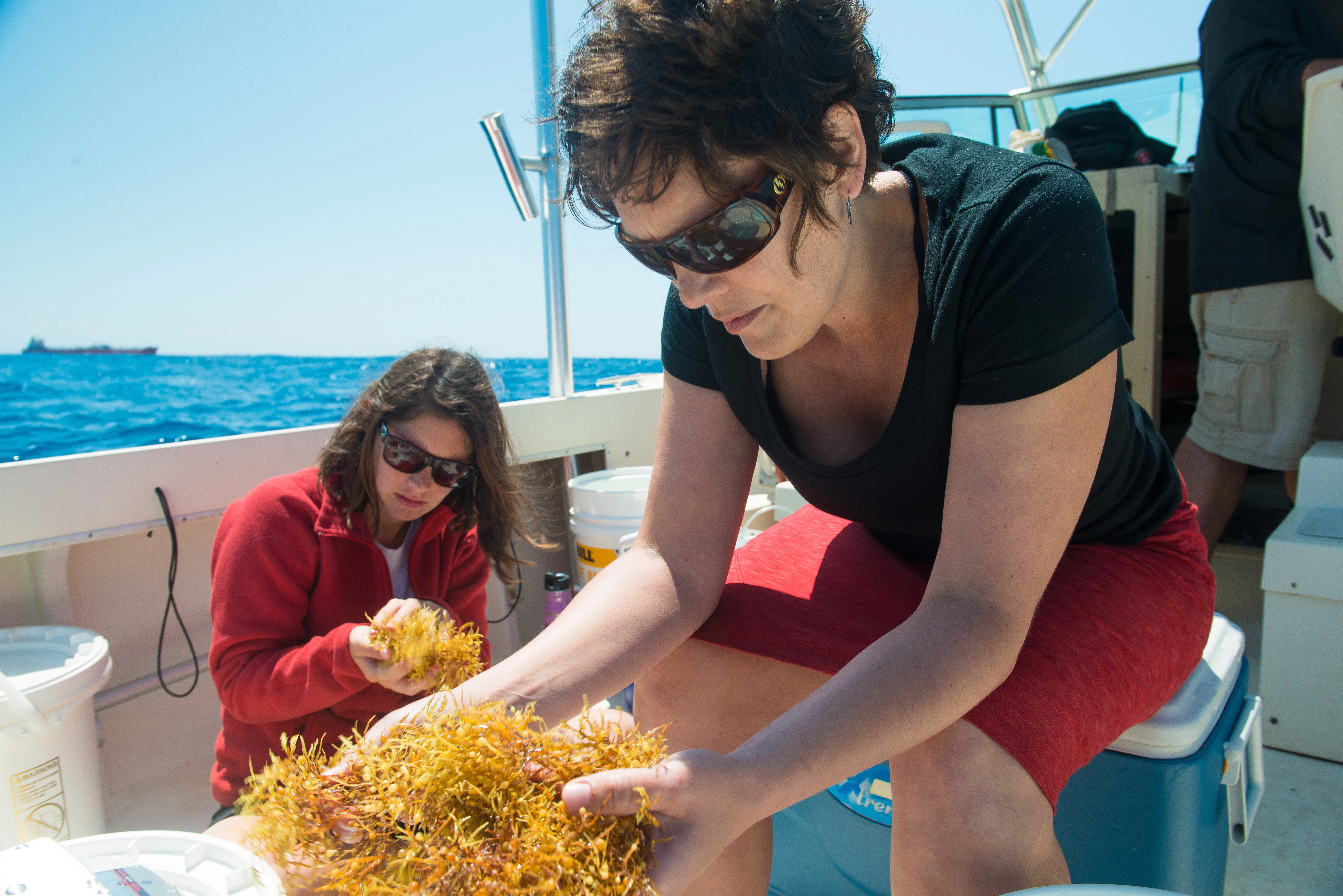
I live on the Outer Banks of North Carolina with my husband, seven year-old son, dog, cat, and turtle. Professionally, I fill a few roles at the Coastal Studies Institute (East Carolina University). I am an Associate Research Professor at the Institute for the Environment at UNC Chapel Hill and a Research Associate at the Coastal Studies Institute. I am also the Associate Director of the NC Renewable Ocean Energy Program (NCROEP) and an Associate Director of the Atlantic Marine Energy Center as well as Director of the Outer Banks Field Site, a semester-long program for undergraduates focused on multidisciplinary approaches to the sustainable management of coastal resources. My background is in ecosystem ecology and biogeochemistry which I now apply to leading environmental assessment and permitting aspects of the NCROEP. My present research primarily focuses on Gulf Stream ecology.
How or why did you get into marine energy research?
My interest in marine energy was piqued when I created and began teaching an interdisciplinary course through UNC Chapel Hill Summer School (ENEC 482 - Energy and the Environment – A Coastal Perspective) on marine energy and its environmental implications in 2010. Around the same time, the Coastal Studies Institute became lead of a new marine and hydro kinetic energy program, now called the NCROEP. Because I had some background knowledge, I became increasingly involved in the NCROEP and was able to lend my background in ecosystem-based ecology to the problem of understanding the elements of the marine environment that might be changed by marine energy and what the ecological implications might be.
Could you share a little about your research/work, and why it's important?
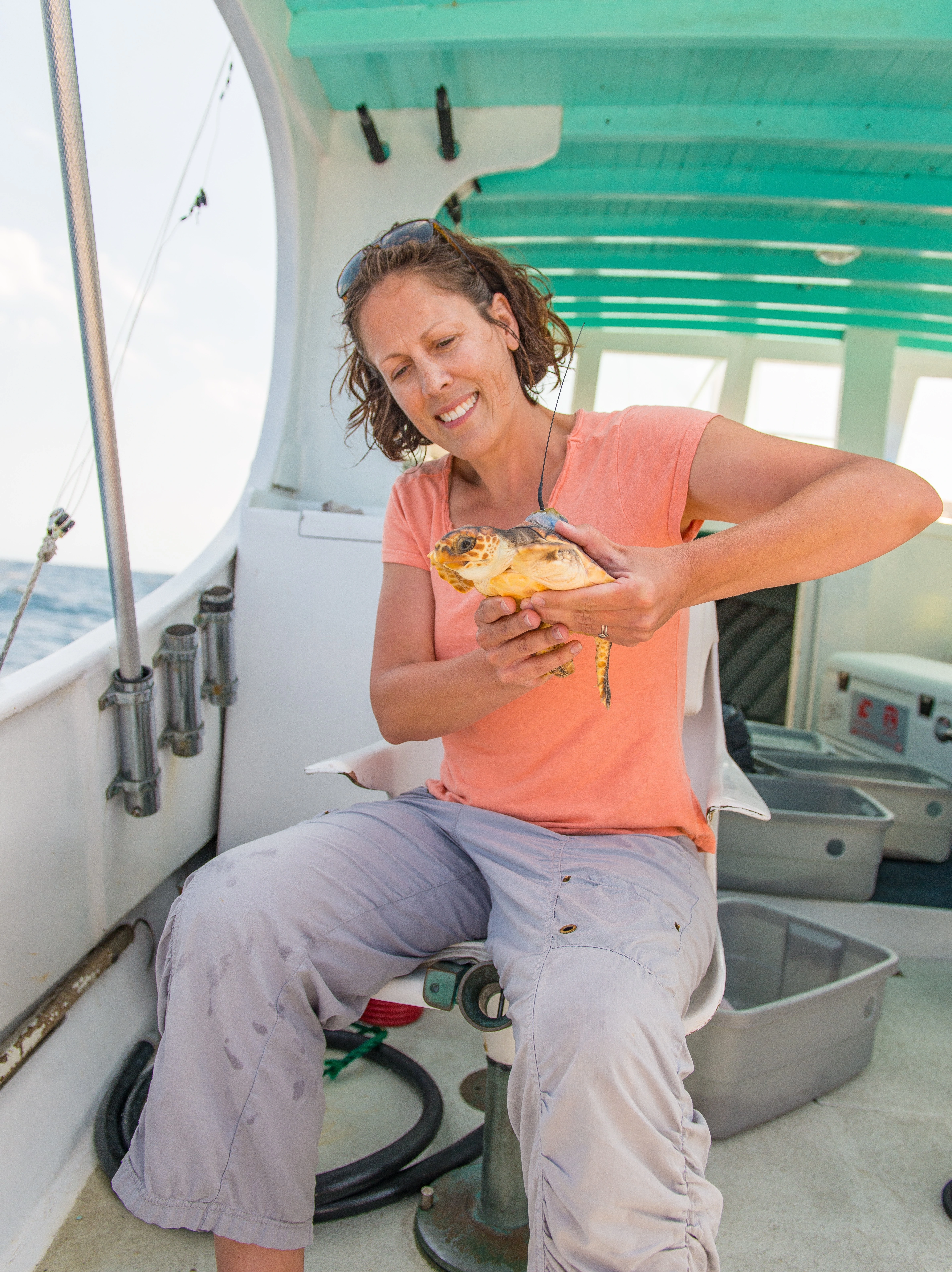
All of my work is in support of responsibly siting and implementing marine energy solutions to reduce reliance on fossil fuels and combat climate change. The stakeholders engagement work that I am doing for AMEC has been especially exciting because it allows me to work with a talented team - colleague, Dr. Linda D’Anna, and Ph.D. student, Jillian Eller - on creative means by which to engage with and connect those in maritime economies, coastal communities, and the marine energy sector. The scale of the task can be daunting but we work well together and with our collaborators. I am encouraged that the conversations that we facilitate will create meaningful connections between and among the marine energy industry and those with energy needs to make marine energy a major contributor to our energy mix. My Gulf Stream current ecosystem characterization research will help to site Gulf Stream current energy development while avoiding and mitigating ecological harm. The Gulf Stream ecological research is also important for the fundamental scientific discoveries about an understudied system that it has made possible.
What are your institution's overall capabilities?
The North Carolina Renewable Ocean Energy Program brings together engineering expertise and supporting scientific expertise from across the state of North Carolina to innovate and create technologies, tools, and approaches to address the challenges faced by the marine energy industry. The Jennette’s Pier Wave Energy Test Facility, which is a collaboration between CSI and the North Carolina Aquariums Division, is just one of the specific outcomes. The Atlantic Marine Energy Center widens that circle, encompassing research expertise, testing capabilities, and connections with the marine energy industry and coastal communities along the North to Mid-Atlantic, from New Hampshire to North Carolina. The Coastal Studies Institute (CSI; East Carolina University) uses integrated, interdisciplinary research and education to address the needs, issues, and concerns of coastal North Carolinians. Last but not least, UNC Chapel Hill Institute for the Environment supports environmental research and education across the UNC Chapel Hill campus to address the major environmental problems of today, in part through educating students including those involved in our field site, at CSI, each fall.
What are you hoping to get out of UMERC?
Connections! As you may note in my response above about my work, I value collaborative work.
What's a "fun fact" about you?
I enjoy almost any type of live music and vegetarian food. So, if we are at a meeting or conference together and you are game for either, hit me up!
Thank you for sharing! You can connect with Lindsay Dubbs on UMERC here. If you would like to be featured in a future UMERC Member Spotlight, please fill out this form.